

What do expats find most challenging?


We asked expats and digital nomads what they find the most challenging about the local culture in Philippines. They wrote...
"Filipinos, generally speaking, do not do sarcasm. I've had to learn how to dial my sarcasm way, way back. On the flipside, when they do try sarcasm, they are generally really bad at it, and it can come off as just purely mean. So you have to learn to have thick skin. Also, ignoring sarcasm all together, there are different observational boundaries here. They will openly comment on your appearance in ways that Americans won't. (Wow, you're fat! You're SO tall! Your feet are HUGE!) This will sometimes be accompanied with pokes or pinches. This is all observational. Nothing mean is meant by it, despite how we've been conditioned to hear it. As a parent, the other thing that has been very hard to get used to is that women I've never seen before will touch my children. There is still a belief here among some that what a mother sees or touches while she's pregnant will affect the looks of her unborn child. The Philippines is a country that, right or wrong, aesthetically prizes light skin and European noses, so it's not uncommon for young women to come up to my children when we are out and about and just start stroking their cheeks. Sometimes you also come across older ladies who just like to stroke and pet cute little kids, no matter what their race, and feel free to do so. My kids are used to it now, but I still have to control the urge to tell these women to step back and keep their hands to themselves. Nothing untoward is meant by it, and it's actually a complement; they are saying they think my kids are cute. So, thanks for that? I just bite my tongue and move us along as soon as we can. I know a lot of expats struggle with the feeling of being overcharged for items or services. This does happen. Do your research beforehand on what things should cost. If you think the price is too high, just stand there for a moment, holding or looking at the item and often they will lower the price. You can try asking what their "last price" is. Sometimes asking them what the price would be if you need a receipt will lower the price, too, especially if they are just working the booth and not the owners, because they would get fired if the booth owner sees they are overcharging and pocketing the difference. Agree to prices before you get into a tricycle or get a massage or any sort of service agreement. Finally, if the price is only slightly inflated, and you can afford it, consider just paying it. Unless you are here living on a Filipino salary yourself and honestly can't afford the "foreigner tax", then look at the extra dollar or two as a form of charity. Do not let your retail experiences contaminate your feelings toward all Filipinos. My Filipino friends are embarrassed and shocked to hear what shopping can be like for me," explained one expat living in Alabang, Philippines.
 VRBO Vacation Rentals
Learn More
With over 2 million bookable vacation rentals, Vrbo connects homeowners with families and vacationers looking for something more than a hotel for their trip. The Vrbo community offers families an array of rental property types such as condos, cabins, lake rentals, beach houses, and more. Discover properties in destinations that everyone dreams of visiting.
VRBO Vacation RentalsWith over 2 million bookable vacation rentals, Vrbo connects homeowners with families and vacationers looking for something more than a hotel for their trip. The Vrbo community offers families an array of rental property types such as condos, cabins, lake rentals, beach houses, and more. Discover properties in destinations that everyone dreams of visiting.
Learn More
"Expats in the Philippines find that the country has a complex social hierarchy which can be difficult to navigate. They also struggle to adjust to the relaxed pace of life, which can be in stark contrast to their home cultures. Acclimatising to the warm tropical climate, which consists of two distinct seasons, wet and dry, presents another challenge. Finally, expats often find it difficult to learn the native language, Filipino, which has been heavily influenced by Spanish and English," said another expat in Philippines.
Please login to continue reading this article.
Not a member? Join Today (it's free).
Other Questions:
- What should I pack when moving to Philippines?
- Where should I setup a bank account in Philippines?
- Will I be able to find a job in Philippines?
- What is life like in Philippines?
- What do expats in Philippines appreciate most about the local culture?
- What do expats find most challenging?
- Is there a lot of crime in Philippines?
- Is there a lot of diversity? Are people in Philippines accepting of differences?
- What are the schools in Philippines like?
- What are healthcare services like in Philippines?
- What are medical services in Philippines like?
- Are healthcare and health insurance expensive in Philippines?
- What are emergency services like in Philippines?
- Will I need to travel to see a specialist?
- Are common prescription medications available in Philippines?
- How are local medical facilities in Philippines?
- As a foreigner living in Philippines, will I have access to public healthcare? What is it like?
- What have your experiences during the pandemic with the local healthcare system been like?
What do expats find most challenging?
If you live in Philippines, newcomers to Philippines would love to hear your answer to this question.
About the Author
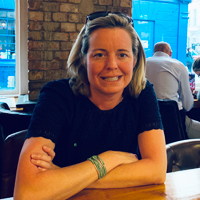 Betsy Burlingame is one of the founders of InternationalTravel.ai and the Founder and President of Expat Exchange. She launched Expat Exchange in 1997 as her Master's thesis project at NYU. Prior to Expat Exchange and InternationalTravel.ai, Betsy worked at AT&T in International
and Mass Market Marketing. She graduated from Ohio Wesleyan University
with a BA in International Business and German. Betsy loves to travel and spend time with her family. Connect with Betsy on LinkedIn.
Betsy Burlingame is one of the founders of InternationalTravel.ai and the Founder and President of Expat Exchange. She launched Expat Exchange in 1997 as her Master's thesis project at NYU. Prior to Expat Exchange and InternationalTravel.ai, Betsy worked at AT&T in International
and Mass Market Marketing. She graduated from Ohio Wesleyan University
with a BA in International Business and German. Betsy loves to travel and spend time with her family. Connect with Betsy on LinkedIn.